
To mark National Housing Day, we’re launching 5 Questions for Change, a monthly feature that brings you insights from the people at CCHR working on the frontlines every day to advance the right to housing.
This month, we’re talking with Brightson Okenwa, Senior Legal Education Specialist.

On November 4, 2025, the federal government tabled Budget 2025: Canada Strong, the first budget under Prime Minister Mark Carney. The budget comes at a time of rising housing insecurity and homelessness, widening income inequality, and job and income loss across the country. At the centre of these intersecting crises are renters and people experiencing homelessness.
While Budget 2025 includes some important, previously announced commitments toward affordable housing development, significant gaps remain that must be filled to meet the current moment. Of critical concern, the budget does not include:
The budget also reinforces damaging stereotypes about immigration as a driver of the housing crisis, while failing to recognize the key role that the financialization of housing has played in driving up prices, increasing housing insecurity and homelessness, and further marginalizing equity-deserving communities.
Below, we outline what’s missing from Budget 2025 and opportunities for the federal government to make meaningful progress on ending homelessness and housing need, reflecting our pre-budget recommendations.
Previously announced in September 2025, Build Canada Homes is the cornerstone housing commitment in the budget and commits $13 billion over five years to primarily support the development of non-market housing. While these are important commitments, the budget does not allocate any new funding for Build Canada Homes or any other affordable or supportive housing initiatives that would help address the housing and homelessness crisis. Moreover, the budget does not include targets, timelines, or requirements for Build Canada Homes related to affordability, renter protections, and the needs of equity-deserving communities. As such, it fails to demonstrate how Build Canada Homes will achieve its goals of restoring affordability and reducing homelessness. Instead, it continues the pattern of previous budgets in failing to prioritize and maximize investments in the deeply affordable housing needed to address the current crisis.
A recent report from the Federal Housing Advocate shows the need to build or acquire a minimum of 200,000 non-market homes per year over the next 30 years to address housing need and homelessness. Recent research from Maytree shows this could be achieved through a $40 billion annual federal investment. This contrasts dramatically with the $13 billion investment and less than 5,000 homes announced to date through Build Canada Homes (only some of which are targeted for those in greatest need).
Following a recent CMHC report, the budget defines housing affordability based on 2019 levels, when households spent roughly 40-45 per cent of their income on housing. This is much higher than the widely accepted 30 per cent affordability standard. To meet this threshold, the budget commits to double homebuilding over the next decade, but it does not set any targets for affordability, housing types or renter protections.
This logic relies on the assumption that new housing supply alone will increase affordability, yet the evidence shows this is not the case. For example, despite a historic increase in rental housing development last year, a recent CMHC report found that new units were too expensive for low- and moderate-income renters, and the increase in supply did little to improve affordability.
To meaningfully address the housing and homelessness crisis, new housing supply must be targeted to those in greatest need. According to data from the Housing Assessment Resource Tools (HART), nearly 20 per cent of households in Canada earn 50 per cent or less of the median household income in their area and can afford to spend a maximum of $1,050 on housing costs each month. It is thus critical for new housing supply to have clear and long-term affordability requirements and be paired with provisions for strong renter protections to meet the needs of those most impacted by the crisis. At the same time, existing affordable housing – and the people who live there – must be protected against excessive rent increases, demolitions, and conversions through robust acquisition programs (including deeper investments in the Canada Rental Protection Fund) and strong renter protections.
The budget commits $51 billion over 10 years in new and existing funding to launch a Build Communities Strong Fund, which includes funding for provinces and territories to build the infrastructure needed for housing such as roads, water, and wastewater systems. To access this new funding, provinces and territories must cost-match federal funding, reduce development charges, and refrain from introducing new taxes related to housing development. However, the budget does not indicate any requirements for this new funding related to building affordable housing, protecting renters, or meeting the needs of equity-deserving communities.
Attaching conditions for provinces and territories to access federal funding is a key lever at the federal government’s disposal to help align housing policies and programs across levels of government and ensure a coordinated approach to ending homelessness and housing need. The federal government previously exercised this power by using the Canada Housing Infrastructure Fund as an incentive for provinces and territories to adopt elements of the Renters’ Bill of Rights.
While most Canada Housing Infrastructure Fund agreements have now been signed, we have yet to see commitments from the provinces and territories related to renter protections outlined in the Renters’ Bill of Rights. Moreover, despite including important measures that aim to improve renter protections, the Renters’ Bill of Rights also omits some key provisions, including clear guidelines around rent regulation and eviction prevention.
The Build Communities Strong Fund includes funding previously committed through the Canada Housing Infrastructure Fund. As such, strong renter protections, clear and long-term affordability requirements, and commitments to meet the housing needs of equity-deserving communities must be central conditions of funding agreements between the federal government and the provinces and territories.
The budget commits some dedicated funding for communities disproportionately impacted by the housing and homelessness crisis, including:
While these are important commitments that could help address the housing needs of Indigenous people, women, and gender diverse people, the budget still falls short of providing enough funding or setting clear targets for housing projects that meet the needs of these and other equity-deserving communities who face disproportionate rates of housing need and homelessness, including people with disabilities, Black and other racialized people, seniors, youth, immigrants, refugees, people living in rural and remote communities, and people experiencing homelessness. For example, Indigenous housing leaders have called for investments to quadruple the supply of Indigenous-led community housing, with estimates ranging from $4.3 billion to $5.6 billion per year over 10 years to meet needs of urban, rural, and northern Indigenous communities.
Moreover, the budget fails to provide opportunities for engagement with people with lived experience of housing precarity and homelessness to support the development, implementation, and evaluation of the government’s housing policies and programs – a key element of a human rights-based approach.
Budget 2025 also commits to increasing the Canada Mortgage Bond annual issuance limit from $60 billion to $80 billion for multi-unit housing development. This commitment aligns with other government policies that continue to fuel the financialization of housing by treating housing as a commodity rather than a human right. This includes tax loopholes, low interest borrowing, and inadequate regulation that incentivize financial actors to purchase rental housing for the sole purpose of maximizing profits for investors, rather than providing safe, secure, and affordable homes for renters. This leads to excessive rent increases, displacement, and evictions, with disproportionate impacts on equity-deserving communities.
At the same time, governments at all levels continue to rely heavily on the private sector to build new housing, which has failed to produce housing that is affordable to lower income households. While there is some promise in Build Canada Homes’ focus on growing the community housing sector, the budget continues the government’s misguided approach of centralizing the private sector in its housing plans and policies.
With few new investments, meagre mention of renters, and no targets to end housing need and homelessness, Budget 2025 fails to meet the current moment. Alongside our sector partners, we continue to urge the federal government to adopt evidence- and rights-based solutions to the housing and homelessness crisis. As we outlined in our pre-budget submission, this includes:
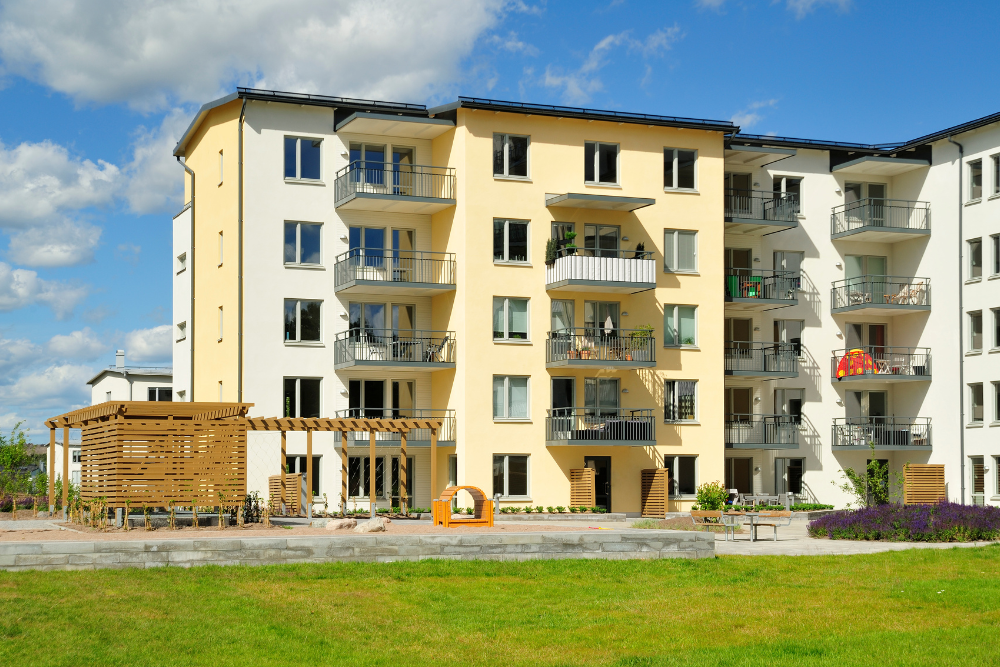
On September 14, 2025, the federal government launched Build Canada Homes, a new agency responsible for affordable housing development across the country. Build Canada Homes aims to work with all levels of government, Indigenous, private, and non-profit partners to scale up the supply of affordable housing. It aims to coordinate federal leadership, provide financing and support construction innovation. The agency intends to primarily focus on supporting the growth of the non-market, community housing sector, including Indigenous, non-profit, co-operative, and public housing, with the goal of doubling housing construction, restoring affordability, and reducing homelessness.
To begin, Build Canada Homes is investing $13 billion alongside access to federal lands, with four initial priority projects:
Below, we outline our areas of support and opportunities for improvement to ensure Build Canada Homes can help make meaningful progress on ending homelessness and housing need, reflecting our recent recommendations to the Build Canada Homes consultation.
After decades of government withdrawal from affordable housing, we welcome renewed federal leadership in affordable housing through Build Canada Homes. In particular, it is promising that Build Canada Homes aims to focus specifically on growing the supply of non-market, community housing, including through initial investments in transitional and supportive housing projects to help address and prevent homelessness. This responds directly to our recommendation and calls from across the housing sector to prioritize and maximize investments in the community housing sector.
Canada’s current stock of community housing makes up only 3.5 per cent of our overall housing stock. This represents half of the Organisation for Economic Co-operation and Development (OECD) average and is far below the recommended level of 20 per cent needed to tackle the housing and homelessness crisis. In the absence of a profit motive, the community housing sector can deliver housing that is affordable for the long-term and accessible to low-income and other marginalized households, with proven social and economic benefits. While it is encouraging to see Build Canada Homes’ focus on non-market, community housing, it will be critical to ensure that community housing providers play a lead role in housing delivery to help rebalance the supply of affordable housing across the country and ensure homes are genuinely affordable for those in greatest need.
We also strongly support the incorporation of the Canada Rental Protection Fund into Build Canada Homes. This signals the government’s recognition of the importance of not only building new affordable housing, but protecting the existing stock of affordable housing, and the people who live there. This also responds directly to our recommendation to help preserve affordability and protect tenancies by supporting community housing providers to acquire private rental buildings.
Currently, we are losing affordable housing faster than we can build it, due to excessive rent increases, demolitions, and conversions. Estimates show that for every home built under government-funded programs, Canada loses 11 affordable rental homes. At the same time, new data shows that 28 per cent of people who have experienced homelessness have also experienced eviction, with disproportionate impacts on Indigenous, Black, and other racialized groups and significant physical and mental health implications. Moreover, evictions are increasingly due to landlord factors or renters’ inability to pay ever increasing rents, while homelessness rates continue to rise at an alarming rate (with recent data showing a nearly 80 per cent increase in homelessness since 2022). This demonstrates the importance of preserving existing affordability and protecting renters from excessive rent increases and evictions, to help stem the loss of affordable housing and prevent growing rates of homelessness.
Finally, we are glad to see the focus on providing federal lands for affordable housing development, including through the incorporation of the Canada Lands Company into Build Canada Homes. This responds to our previous recommendations related to the Public Lands for Homes Plan.
Given high land costs, prioritizing public land for non-market, community housing can help accelerate affordable housing development and ensure it remains affordable in perpetuity. Ensuring equitable access for Indigenous-led housing projects is critical to help advance reconciliation recognizing the forced displacement and dispossession of Indigenous peoples from their lands and the resulting disproportionate rates of Indigenous homelessness and housing need.
While it is promising to see the government acting quickly to launch Build Canada Homes, with initial projects focused on affordable, supportive, and transitional housing, it remains to be seen how the government will achieve the scale necessary to tackle the housing and homelessness crisis. Further details are also needed around the role that the private sector will play in Build Canada Homes, especially considering governments’ ongoing over-reliance on the private sector, which has failed to produce housing that is affordable to those in greatest need and fueled the financialization of housing.
A recent report from the Federal Housing Advocate shows the need to build or acquire a minimum of 200,000 non-market homes per year over the next 30 years to address housing need and homelessness. This includes 100,000 deeply affordable housing units for people with low incomes (i.e., subsidized, rent-geared-to-income housing, including supportive and transitional housing). Recent research from Maytree shows this could be achieved through a $40 billion annual federal investment.
With an initial $13 billion investment and less than 5,000 units announced to date (only some of which are targeted for those in greatest need), Build Canada Homes will need to demonstrate how it will scale up its impact, both in terms of investments and delivery of deeply affordable housing. Moreover, it will need to enforce strict affordability requirements (in addition to requirements related to other elements of the right to housing, such as security of tenure) to ensure it is delivering housing that meets the needs of those most impacted by the housing and homelessness crisis over the long-term.
As part of Canada’s commitment to advance the right to housing under the National Housing Strategy Act and as a signatory to the International Covenant on Economic, Social and Cultural Rights, the government is required to eliminate homelessness and realize the right to adequate housing for all in the shortest possible time, using all appropriate means and the maximum of available resources. This means that Build Canada Homes must go beyond its general focus on restoring affordability and reducing homelessness to prioritize those in greatest housing need by setting clear human rights-based targets, timelines, monitoring, and reporting mechanisms to end homelessness and housing need as quickly as possible.
Reflecting our recommendations, Build Canada Homes should:
Build Canada Homes represents a generational shift and renewed focus on affordable housing development and preservation across the country, with some promising initial commitments. If implemented through a human rights-based approach, it could make a meaningful impact on ending and preventing homelessness and housing need and upholding the right to housing for all.
We look forward to further information on additional Build Canada Homes projects, priorities, and investments, including through the upcoming federal budget (expected on November 4, 2025). We will continue to work with sector partners to hold the government accountable to implementing evidence- and rights-based solutions to ensure everyone in Canada has access to a safe, secure, and affordable place to call home.

To address the growing housing and homelessness crisis across Canada, the federal government is creating Build Canada Homes, a new housing agency responsible for building affordable housing and modernizing the construction industry. In August 2025, the government released a Market Sounding Guide to gather feedback from housing sector stakeholders on how Build Canada Homes should operate and support the development of affordable housing. Below, we outline our key recommendations to ensure that Build Canada Homes can effectively tackle the housing and homelessness crisis by taking an evidence- and human rights-based approach.
We welcome Build Canada Homes’ focus on affordable housing for low- and moderate-income families, including partnerships with non-market community housing developers and providers such as Indigenous, non-profit, co-operative, and public housing. This is critical to ensure those most impacted by the housing and homelessness crisis have access to housing that meets their needs and that public funding is directed toward the public good.
We strongly support the Market Sounding Guide’s principle that private investors do not disproportionately benefit from public investments. Over-reliance on the private sector has failed to produce housing that is affordable and accessible to those in greatest need. At the same time, fiscal and regulatory incentives have fueled the financialization of housing. Financialization refers to the treatment of housing as a commodity and investment vehicle to maximize profits rather than as a fundamental human right. Financialization has led to rising rents, poor maintenance and more evictions, disproportionately impacting low-income, racialized and other marginalized communities.
In line with a human rights-based approach, it is also encouraging to see that Build Canada Homes aims to align funding with housing outcomes, including affordability. The National Housing Strategy Act formally established Canada’s commitment to progressively realize the right to housing. This includes setting clear targets, timelines, monitoring and reporting mechanisms to end homelessness and core housing need in the shortest time possible by committing the maximum of available resources and utilizing all appropriate means.
In our recent submission to the Build Canada Homes consultation, we highlight three key areas that the federal government should prioritize to ensure Build Canada Homes meets the needs of those most impacted by the housing and homelessness crisis.
1. Prioritize and maximize investments in the community housing sector by:
2. Uphold all elements of the right to adequate housing by:
3. Commit to robust monitoring and accountability mechanisms by:
We continue to engage closely with federal contacts on our recommendations. Together with sector partners, we are urging the government to adopt evidence- and rights-based solutions to the housing and homelessness crisis through Build Canada Homes. The government has also committed to providing ongoing engagement opportunities, with a focus on Indigenous partners.
We will monitor updates on the launch of Build Canada Homes over the coming weeks and months. We welcome individuals and organizations to reiterate and amplify our recommendations to ensure Build Canada Homes prioritizes the development and preservation of truly affordable housing through a human rights-based approach.

To inform the development of its 2025 budget, the federal government is holding a series of consultations to gather ideas and input from the public. The 2025 budget comes in the midst of deep social and economic turmoil across the country, which has been magnified by a trade war with the United States. Meanwhile, we continue to face an escalating housing and homelessness crisis, which is disproportionately impacting communities already facing barriers to socioeconomic justice and equity. Below, we outline the current context in Canada, our recommendations for the 2025 federal budget, and ongoing advocacy opportunities to urge the government to take an evidence- and human rights-based approach to tackle the housing and homelessness crisis.
Across the country, renters are facing increasingly precarious conditions, including excessive rents, unfair evictions, renovictions, demovictions, disrepair, discrimination, and many other issues. While rental housing supply and vacancy rates are increasing across the country, this has not translated into greater affordability, as new units are too expensive for low- and moderate-income renters and are not leading to meaningful reductions in rent prices. Instead, rents continue to rise year-over-year. Excessive rent increases, demolitions and conversions mean we are not only losing affordable housing faster than we can build it, we are also seeing an alarming increase in homelessness. In response, some provincial and municipal governments are taking misguided approaches that criminalize people experiencing homelessness, rather than building and protecting affordable housing and providing necessary health, income, and other socioeconomic supports.
When renters have safe, secure, and affordable homes, they have stronger social and economic outcomes, from better physical and mental health to greater productivity and economic participation. From both a moral and fiscal perspective, building and protecting affordable housing – and the people who live there – is paramount to addressing the rising rates of housing precarity, displacement, and homelessness across the country.
It was promising to see an ongoing focus on the housing and homelessness crisis throughout the 2025 federal election campaign, including recognition of the active role that all levels of government must play to tackle the crisis. To ensure a healthy, equitable, and sustainable future for all, the federal government must prioritize those most impacted by the housing and homelessness crisis: renters and people experiencing homelessness.
In our recent submission to the first 2025 federal pre-budget consultation held by the Standing Committee on Finance (FINA), we highlighted five key areas requiring urgent and sustained government action to ensure that everyone in Canada has a safe, secure, and affordable place to call home.
1. Provide immediate support to renters and people experiencing homelessness by:
2. Protect renters from excessive rents and unfair evictions by:
3. Build and protect deeply affordable housing by:
4. Combat the financialization of housing by:
5. Uphold housing as a human right by:
We are continuing to engage closely with our federal contacts and sector partners to urge the government to adopt evidence- and rights-based solutions to the housing and homelessness crisis in the 2025 federal budget. Following the initial FINA consultation, we encourage individuals and organizations to participate in the second pre-budget consultation held by the Department of Finance, by completing the questionnaire and/or sending in a formal submission by August 28, 2025. We welcome individuals and organizations to reiterate and amplify the recommendations outlined in our pre-budget submission to help hold the government accountable to meeting the needs of those most impacted by the housing and homelessness crisis.
Lorem ipsum dolor sit amet, consetetur sadipscing elitr, sed diam nonumy eirmod tempor invidunt ut labore et dolore magna aliquyam erat, sed diam voluptua. At vero eos et accusam et justo duo dolores et ea rebum. Stet clita kasd gubergren, no sea takimata sanctus est Lorem ipsum dolor sit amet.
Lorem ipsum dolor sit amet, consetetur sadipscing elitr, sed diam nonumy eirmod tempor invidunt ut labore et dolore magna aliquyam erat, sed diam voluptua. At vero eos et accusam et justo duo dolores et ea rebum. Stet clita kasd gubergren, no sea takimata sanctus est Lorem ipsum dolor sit amet.
Lorem ipsum dolor sit amet, consetetur sadipscing elitr, sed diam nonumy eirmod tempor invidunt ut labore et dolore magna aliquyam erat, sed diam voluptua. At vero eos et accusam et justo duo dolores et ea rebum. Stet clita kasd gubergren, no sea takimata sanctus est Lorem ipsum dolor sit amet.
Lorem ipsum dolor sit amet, consetetur sadipscing elitr, sed diam nonumy eirmod tempor invidunt ut labore et dolore magna aliquyam erat, sed diam voluptua. At vero eos et accusam et justo duo dolores et ea rebum. Stet clita kasd gubergren, no sea takimata sanctus est Lorem ipsum dolor sit amet.
Lorem ipsum dolor sit amet, consetetur sadipscing elitr, sed diam nonumy eirmod tempor invidunt ut labore et dolore magna aliquyam erat, sed diam voluptua. At vero eos et accusam et justo duo dolores et ea rebum. Stet clita kasd gubergren, no sea takimata sanctus est Lorem ipsum dolor sit amet.
Lorem ipsum dolor sit amet, consetetur sadipscing elitr, sed diam nonumy eirmod tempor invidunt ut labore et dolore magna aliquyam erat, sed diam voluptua. At vero eos et accusam et justo duo dolores et ea rebum. Stet clita kasd gubergren, no sea takimata sanctus est Lorem ipsum dolor sit amet.
Lorem ipsum dolor sit amet, consetetur sadipscing elitr, sed diam nonumy eirmod tempor invidunt ut labore et dolore magna aliquyam erat, sed diam voluptua. At vero eos et accusam et justo duo dolores et ea rebum. Stet clita kasd gubergren, no sea takimata sanctus est Lorem ipsum dolor sit amet.
Lorem ipsum dolor sit amet, consetetur sadipscing elitr, sed diam nonumy eirmod tempor invidunt ut labore et dolore magna aliquyam erat, sed diam voluptua. At vero eos et accusam et justo duo dolores et ea rebum. Stet clita kasd gubergren, no sea takimata sanctus est Lorem ipsum dolor sit amet.
Lorem ipsum dolor sit amet, consetetur sadipscing elitr, sed diam nonumy eirmod tempor invidunt ut labore et dolore magna aliquyam erat, sed diam voluptua. At vero eos et accusam et justo duo dolores et ea rebum. Stet clita kasd gubergren, no sea takimata sanctus est Lorem ipsum dolor sit amet.
Lorem ipsum dolor sit amet, consetetur sadipscing elitr, sed diam nonumy eirmod tempor invidunt ut labore et dolore magna aliquyam erat, sed diam voluptua. At vero eos et accusam et justo duo dolores et ea rebum. Stet clita kasd gubergren, no sea takimata sanctus est Lorem ipsum dolor sit amet.